Launching a website can be one of the most exciting yet overwhelming parts of starting or growing your own business. For many UK business owners—especially those working with limited budgets—the biggest challenge isn’t just about getting a website live, it’s about creating a brand identity that feels authentic, professional, and aligned with your long-term vision.
Understand the purpose of your site
Every eCommerce website should start with a clear understanding of its purpose. Whether your goal is to sell high volumes, launch a niche product line, or build a brand community, design decisions must support those objectives. Knowing the customer journey—from discovery through to checkout—helps shape a layout that supports user flow and conversion paths.
At Cakecrumbs, we understand how difficult it can be to know where to begin. You know you need a website. You know you need content. But what about your brand? That’s where many people feel stuck. In this guide, we’ll walk you through what brand identity really means, and how to build it from the ground up—so that your online presence speaks clearly, confidently, and consistently.
What is brand identity, and why does it matter?
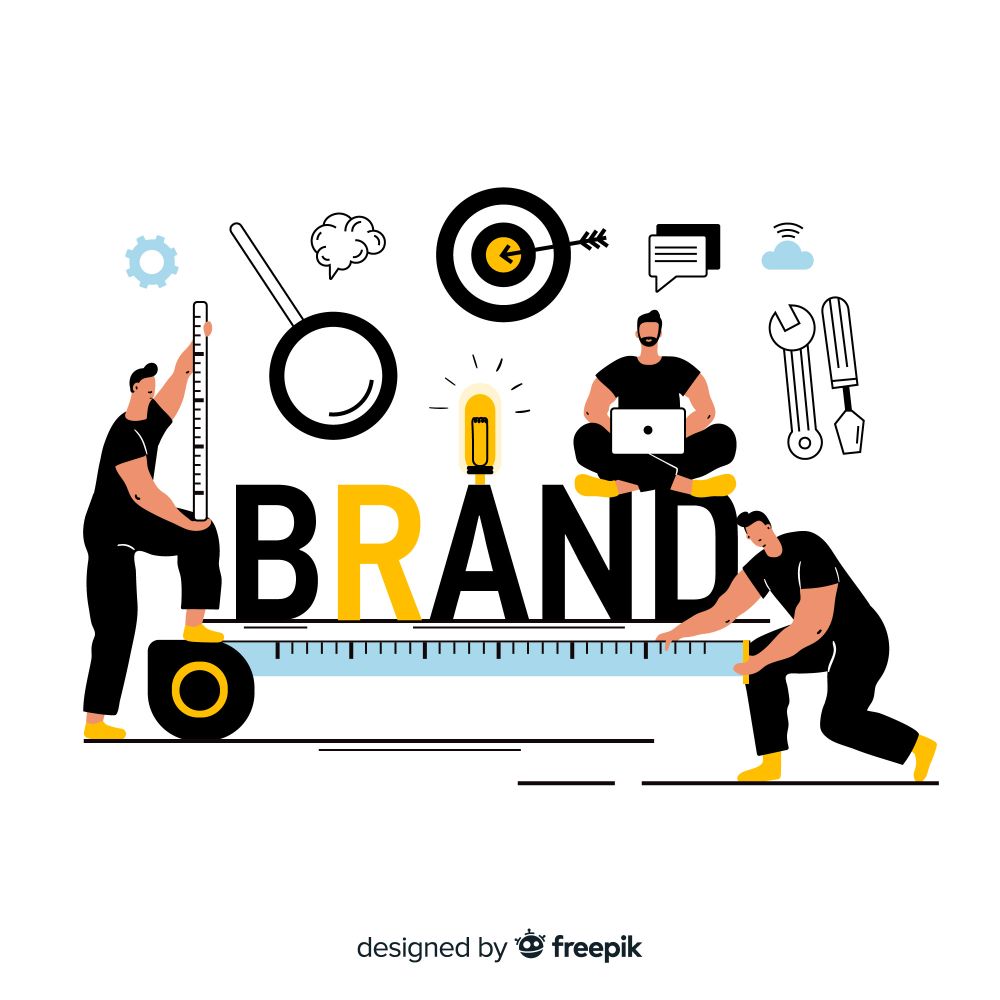
Your brand identity is more than just your logo or colour palette. It’s the complete expression of your business’s personality—how it looks, how it sounds, how it makes people feel, and how it sets you apart from everyone else.
Think of it like this: your website is your storefront, but your brand identity is the entire experience people have when they interact with your business. It includes the tone of your content, your visual design, your messaging, and even the way you respond to enquiries. A strong, clear brand identity builds trust, creates emotional connection, and helps you attract the right audience.
Step One: Clarify your brand’s purpose and values
Before you dive into visuals or content, it’s crucial to understand your “why”. Why does your business exist? What change are you trying to create? What values are non-negotiable to you?
These aren’t fluffy questions—they form the backbone of everything that follows. When you know your purpose and values, you can make decisions with confidence, from choosing your brand colours to writing your homepage copy.
For example, if your business is built on a commitment to sustainability, that value should influence everything—from your messaging to your visual identity. It’s what helps your brand feel authentic rather than generic. And in a competitive online world, authenticity is what makes people stop scrolling and start engaging.
Step Two: Know who you’re talking to
A brand is only as effective as its ability to connect with the right people. That’s why understanding your target audience is key. Who are they? What are they struggling with? What do they hope to achieve, and how can you help?
This doesn’t require expensive market research. You can start by speaking to your existing customers, if you have them. Or take a look at competitors’ reviews to see what people are praising—or complaining about. This gives you a sense of what matters most to your potential clients or customers.
When you tailor your brand identity to speak directly to your audience’s needs and desires, everything becomes clearer. Your website doesn’t just look good—it speaks their language.
Step Three: Shape your visual identity
Now that you’ve established the foundation of your brand, it’s time to bring it to life visually. This is where things like your logo, colours, and fonts come into play—but they should always be chosen with intention.
Your visual identity needs to reflect your brand’s personality. For instance, if your business is all about luxury and elegance, you might lean towards deep colours, serif fonts, and minimalist design. If you’re a friendly, community-focused brand, brighter colours and rounded fonts could be more appropriate.
It’s also important to ensure that your visuals are consistent across your website and all digital platforms. This consistency builds familiarity, which in turn builds trust. And don’t overlook the importance of mobile design—a brand that looks great on desktop but falls apart on a phone will struggle to make the right impression.
Focus on speed and mobile experience
A sluggish site kills conversions. Research by Google shows that as page load time increases from 1 to 3 seconds, bounce probability increases by 32%. Optimise images, reduce script bloat, and consider using a CDN. Equally important is mobile responsiveness. Many customers browse on their phones but complete purchases on desktop—or vice versa. Make sure your site works seamlessly on both.
Step Four: Find your voice
Words are powerful, and your brand’s voice—how you write and speak—matters just as much as how your site looks. Is your tone formal or conversational? Are you inspiring, witty, down-to-earth, or bold?
Your tone of voice should align with your values and appeal to your audience. A legal consultant, for instance, may opt for a more authoritative and precise tone, while a creative agency might choose to be more playful and expressive.
Once you’ve settled on a tone, apply it consistently across your website content, blog posts, social media captions, and even emails. The goal is for someone to “hear” your brand when they read your words, whether they’re looking at your homepage or your latest Instagram story.
Step Five: Create a simple brand guide
Once you’ve defined your visual and verbal identity, it’s wise to put it all in one place. This doesn’t need to be a complex, corporate document. Even a one-page style guide that outlines your logo usage, brand colours, fonts, tone of voice, and key messaging can save you time and help maintain consistency.
If you ever hire a designer, copywriter, or VA, having a clear brand guide ensures they can represent your business accurately—without needing hours of explanation.
Step Six: Bring it all together on your website
Your website is often the first and most important touchpoint people will have with your brand. It’s where everything comes together—your messaging, your visuals, your voice. Make sure every page is aligned with your brand identity, from the header on your homepage to the call-to-action at the bottom of your contact form.
Think of your website as the digital embodiment of your brand. It should feel cohesive, intentional, and aligned with everything you stand for. And don’t be afraid to let your personality shine—your audience isn’t looking for perfection, they’re looking for connection.
Step Seven: Evolve as you grow
Finally, remember that your brand identity isn’t set in stone. As your business grows and your audience evolves, your brand may need to shift as well. That’s okay—great brands are never static. What matters most is staying true to your core values and ensuring that any changes reflect real growth, not just trend-chasing.
Revisiting your brand every 12–18 months is a good practice, especially if you’re updating your services, entering new markets, or reworking your website.
Final thoughts
Building a brand identity from scratch might seem daunting, but it’s one of the most powerful investments you can make when establishing your business online. When done thoughtfully, your brand becomes your most valuable asset—helping you stand out, attract the right people, and create lasting impact.
At Cakecrumbs, we specialise in helping business owners like you bring their brand vision to life through smart, budget-friendly website solutions. Whether you’re starting from a blank slate or rethinking your direction, we’re here to support your journey—one crumb at a time.