The ultimate guide to content marketing for UK businesses
In today’s digital world, content marketing is key to building brand awareness and driving engagement. This guide walks you through the essential steps to create content that resonates with your audience, boosts visibility, and leads to lasting customer relationships.
Published by:
12 minute read
What is Content Marketing?
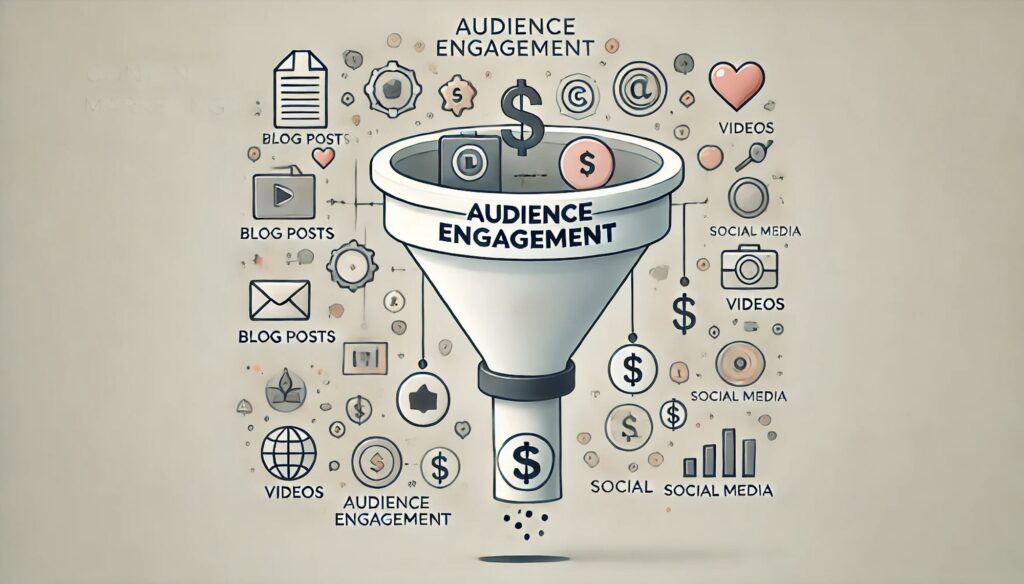
Content marketing is a strategic approach focused on creating and distributing valuable, relevant, and consistent content to attract and retain a clearly defined audience—and, ultimately, to drive profitable customer action. Unlike traditional advertising, which directly promotes products or services, content marketing aims to provide value that builds trust and brand loyalty over time.
Content marketing involves the development and distribution of relevant, useful content—blogs, newsletters, white papers, social media posts, emails, videos, and more—to current and potential customers. When done right, this content conveys expertise and makes it clear that a company values the people to whom it sells.
Why is Content Marketing Important?
Content marketing is a go-to tactic that’s proven to work and provides a competitive advantage. Consider these statistics:
- Businesses with blogs get 67% more leads than those without.
- 67% of B2B marketers say content marketing increases engagement and lead generation.
- 88% of people credit branded videos for convincing them to purchase a product or service.
Content marketing benefits businesses in several ways. An effective content marketing strategy can:
- Increase Online Visibility: A robust content strategy can help you attract more customers and website visitors, especially when people are constantly looking for solutions to their pain points. Offering educational and informative content about a topic they’re interested in can help you increase visibility online through your website or social media accounts.
- Generate More Leads: You can increase leads when content marketing is used to drive traffic. Since educating customers builds trust and helps them feel more comfortable purchasing from your business, you can generate more leads and start to develop relationships with potential shoppers.
- Boost Loyalty: Loyalty is essential in marketing and business because the more loyal your customers are, the more repeat purchases they’ll make. Offering content that informs consumers can help them begin to build trust with your brand and see you as a thought leader.
- Improve Authority: Developing content is ideal for improving authority and becoming a thought leader in your industry. Not only does content help you build trust, but it can position your brand as the most authoritative on a particular topic.
How Content Marketing Works
Your business can use content marketing to attract leads, make a case for your product or service when someone is researching what to buy, and close sales. To use it effectively, you’ll need to deliver the right content at each stage of the sales cycle—from awareness through consideration to purchase. This approach actually simplifies the process.
Awareness Stage
At the first stage of the sales process, your content should focus on the top concerns of your audience. Writing about their pain points, challenges, and questions gives you the best chance of engaging with them. Content at the awareness stage should be educational, how-to advice. Save your selling for the consideration and closing phases.
The best content for this stage includes articles, blog posts, e-books, videos, and newsletters.
Examples:
- A restaurant writes a blog post about how to plan a menu for a graduation party in the spring.
- A bike touring company creates a short video on the topic “3 Ways to Choose the Right Bike Trip.”
- An architecture firm creates an e-book called “Questions to Ask Before Hiring an Architect.”
Consideration Stage
In the consideration stage, content should offer a hybrid of helpful information and marketing. It should educate the reader about what features or functions to look for and how various features address their needs. Of course, your content should lean toward what your business offers.
The best content for this stage includes case studies, how-to articles, how-to videos, and checklists or worksheets.
Examples:
- A cloud-based phone system company creates a checklist entitled “8 Ways to Improve Your Phone Customer Service” that details the features and functions that make great customer service possible.
- A landscaping company creates case studies about “The Biggest Mistakes Most People Make When They Hire a Landscaper.”
- A catering company features case studies of successful events with a focus on the benefits they offer, such as “How to Accommodate Food Allergies at Your Next Event,” or “How to Ensure Your Caterer Uses Sustainable Practices.”
Closing Stage
Content marketing plays an important role when a prospect is close to buying. At this stage, you can focus on sales, as long as you continue to drive home why you’re the best choice rather than just how great your services or products are.
Your central message here should be your expertise, knowledge, and the differentiating benefits of what you sell.
Best content for this stage: case studies, user-generated content, buyer’s guides, product videos, research reports.
Examples:
- A consulting firm creates a research report proving that businesses that engage in strategic planning, assessments by outsiders, and other services—shaped by what services it offers—experience higher growth.
- A design agency creates short videos showcasing the variety in its work across different industries to demonstrate its diverse expertise.
- An orthodontist practice encourages patients to contribute testimonials about its state-of-the-art equipment and top-notch service.
How to Get Started with Content Marketing
Content marketing can feel overwhelming, but it doesn’t have to be. A successful content marketing campaign should be manageable and sustainable. Take these steps to get started:
Identify Your Audience
To create content for a particular reader, you need to have a clear idea of their priorities, challenges, and preferences. If you have detailed descriptions of your various segments, choose one or two to write for. Otherwise, craft profiles of your audience members and prospects before starting.
Determine the Right Formats
The right format corresponds with what stage of the sales cycle you’re creating content for. Another important consideration includes what formats will best help you showcase value. For some, this will be a video; for others, a checklist.
An audience will judge your content on its quality, and they should. Identify the right resource, internal or external, to create this work. Regardless of who creates it, hire a professional proofreader to review anything before it goes out the door.
Determine How You’ll Distribute
Will you post content on your site, email it to people, or print it for an event? Start with where you know your audience is likely to be, and choose formats that make sense. For example, an article makes sense to send via an email, a checklist or worksheet can be posted on social media, and a buyer’s guide is a good follow-up to a pitch.
Choose a Sustainable Schedule
Once you know who your target readers are and the best formats for every stage in the sales cycle, create a short-term (3-6 months) plan. It’s easy to develop a content marketing plan that’s overly ambitious. However, the plan you design should have content elements you can realistically make based on your budget and resources. Keep track of how long it takes you to create each piece of content so that you can build that time into your schedule.
Follow Best Practices
Compelling content is clearly written and doesn’t contain jargon that only you and your peers will know. It should also include detailed how-to advice. A short, relevant, actionable piece of content is best.
Content Marketing and SEO
Content marketing makes it easy for good prospects to find your business. However, you can boost your efforts with search engine optimisation (SEO).
SEO Best Practices
Here are a few important best practices:
- Keywords: Keywords are the foundation of your SEO effort. These all-important words and phrases are the terms a prospect types into a search engine when they’re looking for a company, product, or service.
- Plain-language: Use language your audience uses to describe their pain points and needs.
- Relevant: Use keywords that match the expertise, products, and services you provide.
- Specific: Use a combination of your focus, industry expertise, prospect pain points, and other relevant details.
SEO has evolved so that search success depends in part on how well your content does what it says it’ll do. Search engines review content copy, assess its relevance, and determine whether it delivers on what the headline promises.
Keyword Usage
Because of the importance search engines place on copy, using keywords throughout your content is important. Use the following guidelines:
- Focus on 1 to 2 keywords: Avoid “keyword stuffing” by writing about what matters to your prospects with a focus on just a few keyword phrases.
- Use keywords in the title: Make what the article is about clear and explicit.
- Use keywords throughout: Find a way of naturally incorporating your keywords into your content.
- Stay on topic: Good-quality content that provides advice related to a headline will perform best.
Social Media and Content Marketing
Once you have content, it’s time to get the word out about it. Social media—Facebook, LinkedIn, YouTube, Twitter, Medium, Instagram, and others—is a proven and easy way to promote your content. You write a post and link to your content, and then voila! People are engaged.
Social Media Strategy
You can do this through three steps:
- Focus on high-potential channels: The best social media outlets for you are the ones frequented by your audience. Consider the big, popular channels, as well as smaller, industry-focused ones that are likely to connect you with good prospects. Ask your audience what channels they favour and build a manageable list based on their preferences.
- Craft your copy to fit the channel: Each social media channel has a level of professionalism versus fun, an accepted voice, and other details all its own. Before you write posts for a channel, spend some time reviewing posts to familiarise yourself with these details. Then, give your posts some of your own company spirit.
- Test and modify your approach: A winning social media promotion effort involves trial and error. Track responses from the various channels for quantity and quality. Fewer high-potential engagements may mean a channel is a good fit, as opposed to a slew of clicks that never turn into an audience.
Case Studies
1. Duolingo on TikTok
Duolingo’s approach to TikTok is a masterclass in engaging younger audiences. By leveraging the platform’s trends and creating humorous, relatable content, Duolingo has managed to build a massive following. Their mascot, Duo the Owl, participates in viral challenges and trends, which helps the brand stay relevant and top-of-mind among users. This strategy not only entertains but also subtly promotes language learning, driving app downloads and user engagement.
2. Shopify on X (formerly Twitter)
Shopify’s presence on X exemplifies how to use social media for business success. By sharing customer success stories, industry news, and helpful tips for entrepreneurs, Shopify creates a valuable resource for its audience. Their content is a mix of promotional and educational, ensuring followers receive constant value. This strategy has helped Shopify build a strong community of engaged users who turn to the platform for both inspiration and practical advice.
3. Apple’s ‘Dear Apple’ Video
Apple’s ‘Dear Apple’ video campaign showcases real stories from Apple Watch users, highlighting how the device has positively impacted their lives. By focusing on personal, emotional narratives, Apple effectively demonstrates the value of their product beyond its technical specifications. This approach not only humanises the brand but also reinforces the Apple Watch’s benefits, leading to increased consumer interest and loyalty.
Put Content to Work for Your Business
Let your expertise and unique value shine through by creating content that attracts, engages, and sells. With some planning and systematic content marketing, you can reach the right people and drive brand loyalty.